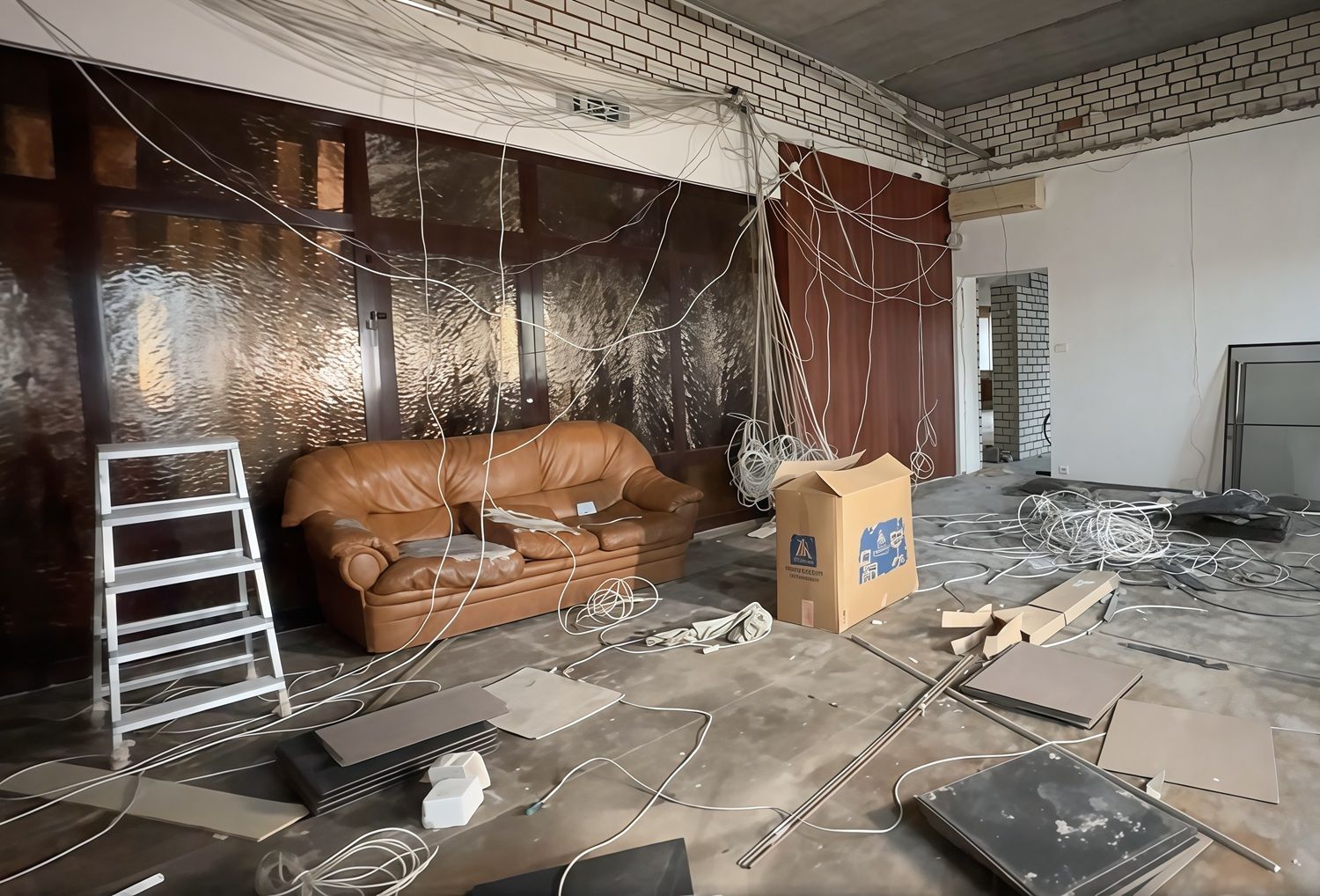
Flipping in Dubai: How to Turn Real Estate Investments into Quick Profit
What is Property Flipping and Who is This Strategy Suitable For?
Property flipping is an active investment methodology involving short ownership periods — from acquiring an undervalued asset to its sale after targeted modernization. Unlike passive long-term investments, this model focuses on operational management: identifying discounted lots, managing the renovation process, and precise marketing for an exit at the maximum price. This approach is optimal for investors focused on rapid capitalization of a volatile market and requires either deep expertise or partnership with specialized operators, which minimize operational risks through full-cycle support.
Profitability Potential of Flipping Projects in the Emirate: The Realities of 2026
The margin from flipping in Dubai is determined by two variables: the choice of active cluster and the efficiency of the value-add process. In premium districts — Dubai Marina, Palm Jumeirah, Al Barari — even targeted capital improvements can generate value appreciation of 25-45% due to the location premium effect. However, the key profit driver is identifying distress assets or properties with a poor layout. The weighted average return of a successful project after deducting transaction costs and construction expenditures in 2026 varies within the range of 18-35% annually, but directly correlates with the quality of pre-investment due diligence.
Structure of a Typical Flipping Project: Stages from Deal to Exit
The process is divided into four interconnected phases. Phase 1: Sourcing and Audit. The search is conducted among motivated sellers, lots at bank auctions, or properties with an outdated fit-out. A technical inspection report and legal due diligence are conducted in parallel. Phase 2: Financial Modeling and Scoping. A detailed line-item budget is developed and the scope of works is defined to maximize end-buyer appeal. Phase 3: Project Management and Control. General contracting is implemented with control over the critical path schedule and procurement logistics. Phase 4: Marketing and Disposition. The property is launched via multi-listing and home staging, and the deal is structured considering tax optimization.
Risk Analysis, Location Selection, and Market Drivers
Success Factors and Risk Management in Real Estate Operations
Profitability is determined by three groups of factors. Market and Conjunctural: It is necessary to monitor liquidity cycles and buyer persona trends — the relevance of open-space layouts, smart home integration, energy-efficient upgrades. Project and Execution: The main risk is critical cost overrun due to hidden structural defects or substandard materials. Regulatory and Financial: Mandatory accounting for stamp duty, registration fees, and potential changes in visa regulations affecting demand.
Dubai as a Jurisdiction for Flipping: Competitive Advantages of the Platform
The emirate offers institutional advantages for flipping. Transparent Regulation: The activities of RERA (Real Estate Regulatory Agency) and DLD (Dubai Land Department) ensure transaction predictability and rights protection. Demographic Drivers: A constant inflow of skilled expatriates and tourist footfall create a stable tenant-buyer pool. Infrastructure Investments: Projects like the Dubai Urban Plan 2040 create an anticipatory growth effect in new zones. Fiscal Regime: The absence of income tax and capital gains tax increases net returns on operations.
Relevance of Flipping in 2026: Analysis of Entry Points in the Secondary and Primary Markets
The current market context favors the strategy but requires selectivity. In the ready property sector, a moderate appreciation trend is observed, especially for properties with unique selling propositions. In the off-plan market, risks have increased due to construction cost inflation and stricter stage payment plans. The key opportunity lies in repositioning outdated assets in locations with limited quality supply, where the renovated property commands a price premium.
Risk Map: When Flipping Turns into a Loss-Making Operation
Dangers materialize in several scenarios. Defective Property Analysis: Purchasing without an engineering survey may reveal latent structural issues requiring major refurbishment. Project Management Breakdown: Lack of professional supervision leads to schedule slippage and cost escalation. Macroeconomic Shocks: Global recessionary trends or local changes in mortgage lending regulations can sharply reduce asset liquidity.
Geography of Flipping: From Premium Districts to Emerging Zones
Location choice is a strategic decision. High-end segment for maximum margin: Emirates Hills, District One, Bluewaters Island. High ticket size, but growth potential through luxury redesign and premium finishes. Mid-market segment for stable cash flow: Town Square, Mudon, Arabian Ranches 2. Optimal price-to-quality ratio and broad demand from family expatriates. Emerging zones for aggressive growth: Dubai Harbour, Dubai Islands (Deira Islands), vicinity of Al Maktoum International Airport. Low base price, but high capitalization potential due to future infrastructure.
The Role of a Professional Operator and Partnership Structure
Operational Partner as a Profit Multiplier
In the context of flipping, a professional operator acts not as a service provider, but as a strategic co-investor, whose expertise translates into financial results. Partnership with a specialized firm implies synergy: the investor provides capital deployment, the company provides end-to-end operational management, including deal sourcing, architectural and technical design, construction management, and marketing rollout.
Timing as a Financial Metric: How Expert Control Impacts Profitability
Adherence to project timelines directly converts into monetary terms. Each day of delay increases the carrying cost — bridging loan interest, utility charges, service fees. A professional team works according to the critical path method, synchronizing the work of subcontractors and material suppliers through detailed Gantt charts. This approach ensures timely market entry to capture the optimal pricing window.
Budget Control: Tools to Prevent Financial Deviations
Budget overrun is a systemic threat to profitability. A professional operator mitigates it through a three-tier control system. Level 1: Pre-investment. Quantity take-off and unit cost analysis based on historical data. Level 2: Execution. Milestone verification and budget reforecasting. Level 3: Financial. Invoice reconciliation and working capital management. This system allows for guaranteed financial predictability.
Criteria for Selecting an Operator for Joint Flipping Projects
Partner selection should be based on quantitative KPIs, not marketing promises. Key parameters: historical Internal Rate of Return (IRR) on completed projects, budget adherence ratio, a portfolio of satisfied investors, the presence of in-house project teams, and direct supplier agreements. It is precisely such an operator, acting as a principal and bearing joint liability, that transforms flipping from a high-risk venture into a managed investment product.