PVC Membrane Installation in Dubai: What It Is, Who It's For, and What's Included
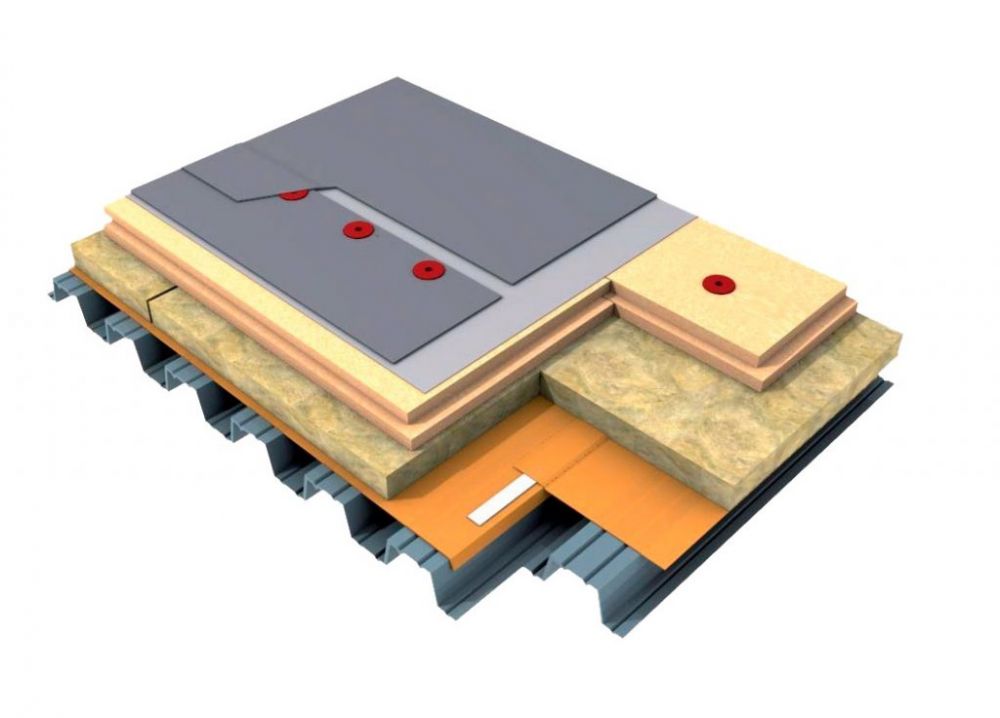
PVC membrane installation in Dubai is the application of polyvinyl chloride waterproofing roofing systems with high heat reflection coefficients for flat and low-slope roofs. This service is designed for owners of premium villas on Palm Jumeirah, management companies of high-rise residences in Dubai Marina, restaurant terrace owners on Jumeirah Bay Island, hotel operators in Downtown, and warehouse facility owners in Al Quoz. The basic scope of installation includes: free engineer site visit with laser scanning and thermal imaging inspection, roofing system design with SRI coefficient calculation, abrasive blasting to Sa 2.5 standard, epoxy priming, lightweight concrete fall formation with laser level control, PVC membrane installation with staggered seams, hot air welding using automatic equipment, individual seam testing with needle probes, 250 mm membrane upstand to parapets, liquid polyurea flashing sealing, ballast or finish layer installation, and safety railing installation. The average market price for PVC membrane installation in Dubai in 2026 is individually calculated — there are no published price lists, as the final cost depends on area, membrane type, parapet reinforcement requirements, and site location. We are direct material suppliers, reducing client costs by 18-22% compared to market rates.
How PVC Membrane Differs from Other Roofing Types
Unlike TPO membranes, PVC offers superior elasticity — elongation at break reaches 300%, allowing the material to perfectly conform to complex architectural forms, flashings, and skylights without creasing or stress. Compared to EPDM, PVC is hot-air welded into a monolithic sheet, while rubber membranes require adhesive bonding — PVC seams are 5 times stronger and completely watertight. Unlike polyurea, PVC can be removed and reused, and offers a more accessible price point with a comparable 25-30 year service life. The main disadvantages of PVC: susceptibility to certain solvents and bitumen-based materials, and the need for UV stabilization — we use only membranes with SRI no less than 104, certified by Dubai Central Laboratory. For coastal zones of Palm Jumeirah and Jumeirah, we recommend TPO membranes with corrosivity category C5, while PVC is optimal for Dubai Hills, Arabian Ranches, and commercial properties in Al Quoz.
Property Types: Where PVC Membrane Is the Best Solution
PVC membrane is ideal for townhouses in Dubai Hills and Arabian Ranches, high-rise residential complexes in Dubai Marina, warehouse and retail facilities in Al Quoz, Dubai Industrial City, and Business Bay. For premium villas on Palm Jumeirah and Emirates Hills, we recommend TPO membranes with category C5 — they are resistant to salt-laden mist. PVC membrane is not suitable for roofs where direct contact with bitumen, solvents, or petroleum products may occur — for example, petrol stations and oil depots. For restaurant terraces and accessible roofs with high pedestrian traffic, we use 2.5 mm polyurea, while PVC is applied as a waterproofing layer beneath ballast gravel or pedestal-mounted porcelain tiles.
Materials and Installation Technology: From Concrete to Finish
We use 1.5 mm PVC membranes reinforced with polyester mesh and a Solar Reflectance Index of no less than 104. The material maintains elasticity at temperatures up to 85°C, contains no plasticizers, and is certified by Dubai Central Laboratory. Sheet width up to 15 meters minimizes the number of seams — fewer seams mean lower leak risk. The installation process begins with abrasive blasting to Sa 2.5 standard and epoxy primer application with 3.2 MPa adhesion. After lightweight concrete fall formation with 1.8-2.2% gradient and 45-50 mm reinforced screed, the membrane is unrolled, secured with galvanized steel telescopic fasteners at 200 mm spacing, and hot-air welded at 550°C. Every seam is tested with a needle probe — tensile strength no less than 800 N/50 mm. On parapets, membrane is dressed to 250 mm height, with flashings sealed using liquid polyurea. Production rate — up to 500 m² per shift.
What We Repair and How Fast We Respond
The most common PVC membrane failures in Dubai are parapet detachment due to installation errors and building settlement, punctures and cuts on accessible terraces, and rainwater drain blockages during the rainy season. We reinstate flashings using hot air welding with additional liquid polyurea reinforcement aprons. Localized damage is repaired with PVC membrane patches welded around the perimeter. Free engineer site visit with thermal imaging inspection — on the day of your request. Emergency leak repair requests in premium districts Palm Jumeirah, Emirates Hills, Dubai Marina — 90 minutes. In Business Bay and Downtown — 2 hours, in Dubai Hills and Arabian Ranches — 3 hours, in Dubai South and Hatta — 4.5 hours.