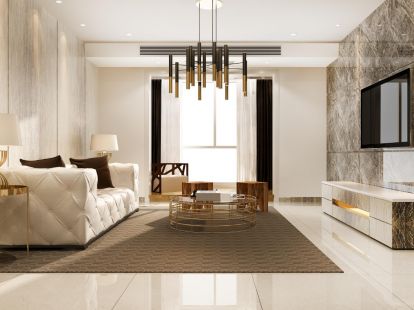
Apartment Renovation in Dubai: Complete Guide for Investors and Residents 2024
Apartment renovation in Dubai is a complex engineering and technical process that requires a deep understanding of local climatic features and building regulations. Under conditions of extreme temperatures, reaching up to +48°C in summer, and humidity levels of up to 90% in coastal areas, each stage of work necessitates the use of specialized materials. The cost of quality renovation starts from 950 AED/m² for a basic package, including demolition, surface leveling, and finishing with standard materials. A professional approach implies the mandatory installation of energy-efficient air conditioning systems with dehumidification functions, the use of moisture-resistant plaster mixtures, and comprehensive waterproofing of premises.
Technical Aspects and Materials for Renovation in UAE Conditions
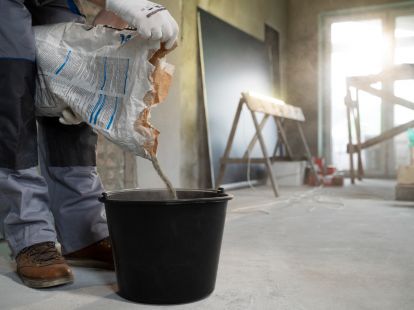
A key feature of renovation in the UAE is the need to use materials with enhanced thermal and moisture resistance. For walls, cement plasters based on hydrophobic additives are used to prevent condensation and mold formation. As a finishing coating, silicone or silicate paints with a vapor permeability coefficient of at least 130 g/m² per 24 hours are recommended. Floor coverings are selected considering the coefficient of linear expansion—the optimal solution is anti-slip porcelain stoneware with class R10-R11 or quartz-vinyl tiles with a click-lock connection system. Electrical work is carried out using cables with Teflon insulation, resistant to heating up to +90°C, with mandatory installation in corrugated pipes made of non-flammable polymer.
Popular Districts of Dubai and Their Renovation Features
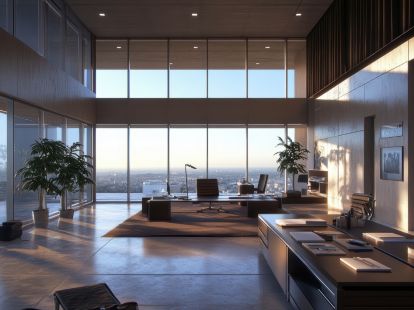
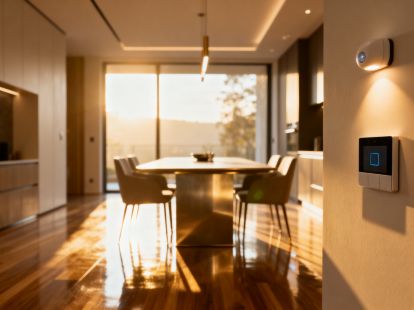
In prestigious districts of Dubai, such as Downtown Dubai or Palm Jumeirah, renovation often requires coordination with management companies (Emaar, Nakheel) and compliance with strict design codes. Complex engineering solutions are common here: installation of panoramic glazing with sun protection coating, setup of ducted air conditioning systems with heat recovery, and integrated "smart home" systems for lighting and climate control. In new residential complexes (Dubai Hills Estate, Jumeirah Village Circle), renovation is usually limited to interior finishing, as the engineering infrastructure meets modern Green Building Regulations standards. For secondary housing in districts like Al Barsha or Discovery Gardens, a major renovation with complete replacement of electrical wiring, water supply pipes, and ventilation systems is necessary.
Types of Renovation and Their Approximate Cost
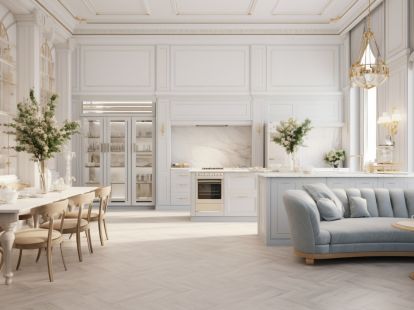
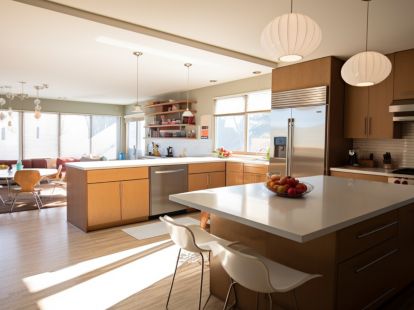
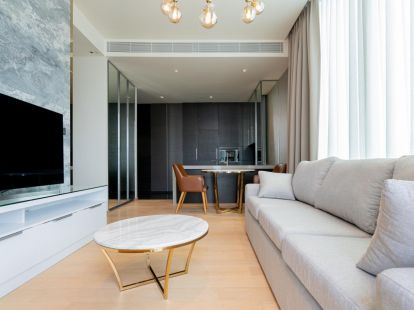
Cosmetic renovation (950–1,500 AED/m²) includes replacing floor coverings, painting walls, updating plumbing fixtures, and installing basic lighting fixtures. This is the optimal solution for refreshing an interior before renting out or quickly selling a property. Completion time is 10–20 days, depending on the area. Major renovation (1,800–3,000 AED/m²) involves complete re-planning, replacement of all engineering systems, installation of stretch ceilings with multi-level LED lighting, and fitting a kitchen unit with built-in appliances. This approach is necessary when purchasing an apartment on the secondary market or radically changing the functionality of the premises. Premium renovation (from 4,000 AED/m²) is carried out according to an individual design project using natural materials (marble, solid oak, decorative plaster), installation of branded plumbing (Grohe, Hansgrohe), and intelligent control systems.
Step-by-Step Process of Organizing Work
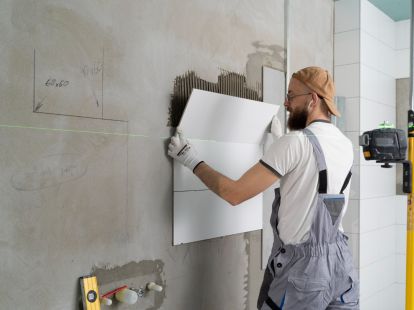
The process begins with a technical inspection of the property, including checking load-bearing structures, analyzing the condition of electrical wiring and pipelines, and measuring wall humidity levels. Based on this data, a detailed estimate with a fixed cost is prepared, which does not change during the work. The demolition stage is carried out using diamond drilling to preserve structural integrity and industrial vacuum cleaners to minimize contamination. Rough work includes installation of plasterboard partitions (12.5 mm thickness), pouring floor screed with reinforcing mesh, and laying utility lines in accordance with DEWA (electricity) and Dubai Municipality (water supply) standards. Finishing work is performed with control over material humidity levels—for plaster, the permissible rate is no more than 8%, for wooden elements—up to 12%.
Recommendations for Choosing a Contractor and Quality Control
When selecting a company for turnkey apartment renovation in Dubai, pay attention to the presence of a DED (Department of Economic Development) license and civil liability insurance. An important criterion is experience working with a specific type of real estate—renovation in a Downtown skyscraper differs from work in a low-rise JVC complex. We recommend requesting a portfolio of completed projects and contacts of previous clients. For quality control, include stage-by-stage payment in the contract (30% advance, 40% after rough work, 30% after project handover) and warranty obligations (3 years for finishing work, 5 years for engineering systems). Utilize online monitoring technology via IP cameras for remote observation of work progress and daily photo reports in messengers.