What is a Design Project and Why It's the Foundation of a Perfect Renovation in Dubai
In the fast-paced and technologically advanced city of Dubai, starting a renovation without a clear plan is like building a skyscraper without blueprints—expensive, time-consuming, and with unpredictable results. This is precisely why a professional design project has ceased to be a luxury and has become a standard necessity for anyone who values their time, money, and peace of mind.
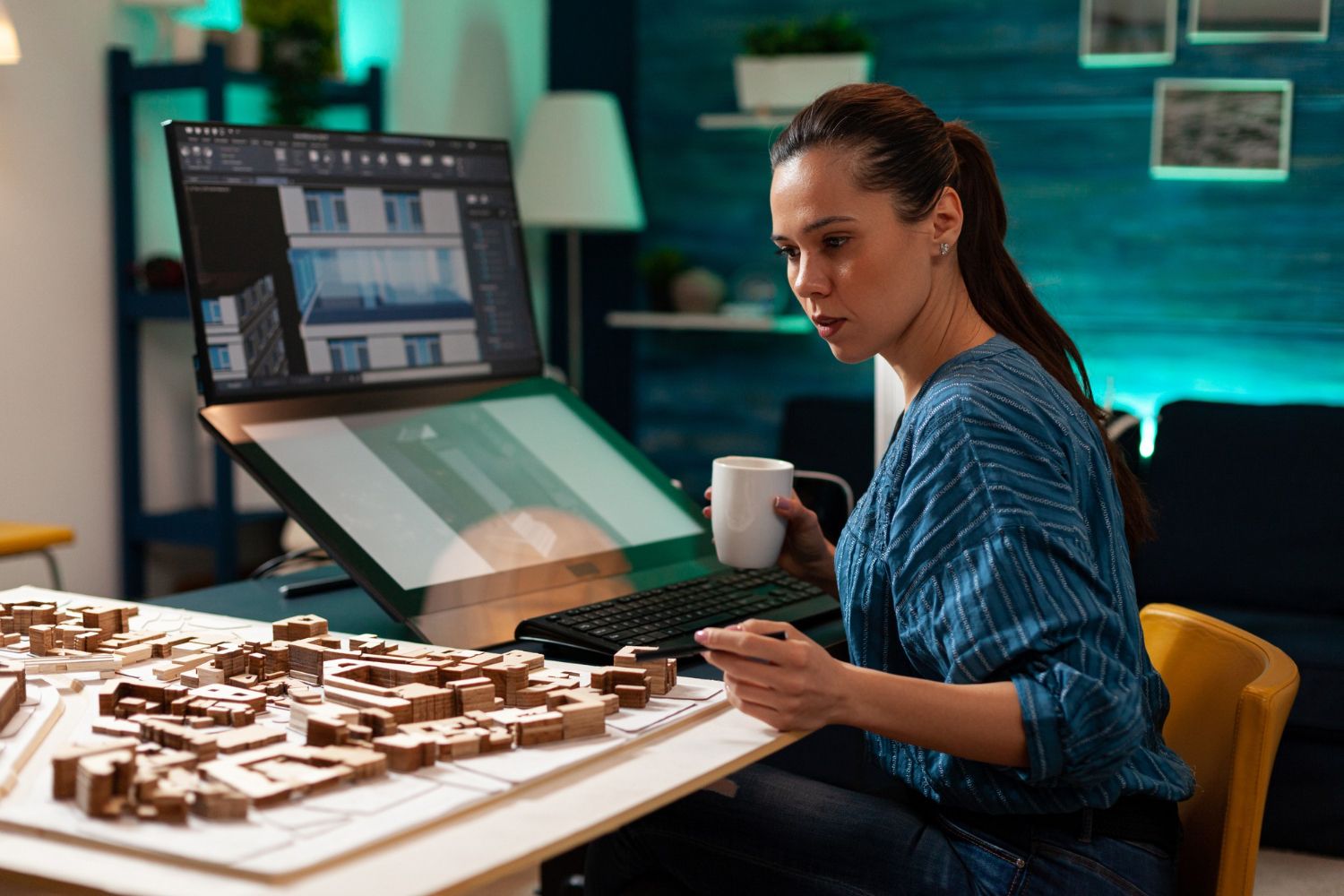
At its core, a design project is a complete set of documents that includes two equally important parts: the creative concept and the technical plan. It's not just about pretty pictures; it's a detailed instruction manual where every element of the future interior is thought out and calculated in advance. The visual part consists of photorealistic 3D renders that allow you to virtually "live" in an apartment or villa that doesn't exist yet: you can assess how sunlight at different times of day will play on Spanish porcelain tile flooring, how wall colors will harmonize with furniture fabrics, and whether there's enough space for comfortable passage between the sofa and the dining table.
However, the true power of the project lies in its technical component. This is a set of precise drawings and diagrams without which no reputable construction crew in the UAE would undertake complex work. This includes: a measured survey drawing with millimeter accuracy, demolition and new wall construction plans, detailed electrical layout plans (where every outlet for charging gadgets or a coffee machine has its designated place), flooring installation plans designed to minimize waste of expensive materials, lighting fixture layout schemes, and even wall elevations specifying the tile installation height in the bathroom. Given Dubai's climate, the integration of air conditioning and ventilation systems into ceiling designs is worked out separately to ensure they function efficiently without being visually obtrusive.
Thus, a design project solves several critical tasks at once. It protects against costly mistakes (like when pre-purchased Italian furniture doesn't fit into an alcove), serves as a control tool for the client (all work is carried out strictly according to approved drawings), enables accurate budget calculation for materials and labor, and guarantees that the final result will be 100% aligned with your expectations, not left to the chance improvisations of workers.
Lessons from Grand Scale: How the Burj Khalifa Interiors Were Created
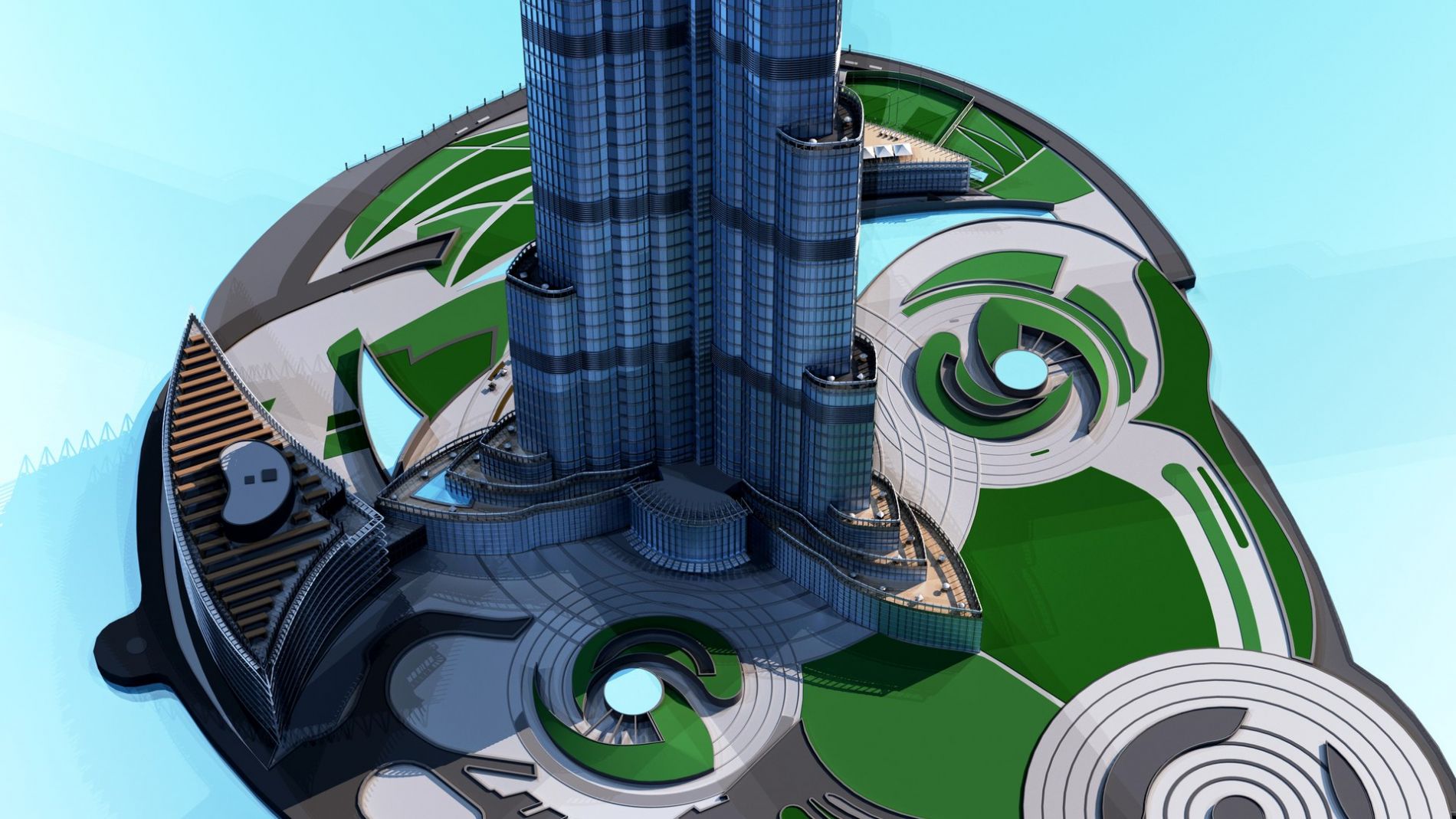
There is no better example to illustrate the power of design planning than the world's tallest building, the Burj Khalifa. If its exterior is a triumph of engineering by the architectural firm Skidmore, Owings & Merrill (SOM), then its interior spaces became the canvas for the colossal work of an army of designers and decorators who faced unique challenges.
Challenge 1: Creating a "Home" at Record Height. Designers of the private apartments and offices within the tower had to solve problems unfamiliar to their colleagues working on conventional buildings. Windows at extreme altitudes offer panoramic views but can also induce feelings of discomfort or even vertigo in residents. The designer's task was to avoid hiding this unique view while simultaneously creating a sense of coziness, safety, and being "grounded." This was achieved through thoughtful space zoning: placing solid, stable furniture (like low bookshelves or wide sofas) along walls opposite the windows, creating a visual anchor. Textures and materials were carefully selected: more natural wood, stone, and fabrics in warm tones that psychologically softened the "glassy" coolness of the panorama.
Challenge 2: Working Within Constraints and Standards. Every interior element in such a building—from a door handle to the fabric on a chair—had to comply with the strictest international and local fire safety regulations. Designers had to source or specially commission furniture, lighting, and textiles that were not only aesthetically pleasing but also possessed the necessary certifications for fire resistance and low smoke generation. This imposed significant constraints on supplier and material choices.
Challenge 3: Logistics and Installation. Imagine delivering and hoisting a massive crystal chandelier, a marble floor slab, or a solid wood door to the hundredth floor. Each such item required a separate engineering calculation and the development of a special installation plan. The design project included not just sketches of elements but detailed drawings specifying mounting points, weight, dimensions, and the sequence for on-site assembly within the rooms.
Takeaway for an Ordinary Renovation: The same principles apply even in a modest apartment in Jumeirah Village Circle (JVC). Success depends on how thoroughly the designer analyzes the conditions (views from windows, sunlight exposure, layout), accounts for constraints (building codes, budget, availability of materials on the local market, e.g., at Dragon Mart), and plans the logistics (ensuring selected sofas fit through doorways, arranging furniture delivery).
For Whom, Why, and How: The Practical Application of Design Projects in Dubai
Understanding the essence of a design project allows one to clearly identify who will benefit most from it and in what situations within the UAE context.
For Homeowners (End-Users). This is the broadest audience. For a family that has purchased a villa in Mirdif or Arabian Ranches, a project is the way to create an ideal personal space that accommodates everyone's habits: from a home office zone to a special place for a collection. For the owner of an apartment with a view of Dubai Marina, the project helps to highlight the main asset—the panorama—by arranging furniture and planning lighting so that the view becomes the living room's centerpiece. The project saves a tremendous amount of time otherwise spent endlessly choosing materials in stores, as everything is already selected and combined in the material specifications.
For Investors and Landlords. In Dubai's highly competitive rental market, interior design is a key factor for tenants. A universal, stylish, and functional design project executed in a neutral yet high-quality palette significantly increases a property's appeal and allows for setting a higher rental rate. It transforms an apartment from a "box" into a ready, desirable product. Furthermore, using the durable and practical materials specified in the project reduces costs for subsequent maintenance and cosmetic refreshes between tenants.
How Does the Project Creation Process Work in Practice?
-
Briefing and Site Survey. The designer delves deeply into the client's needs, while a technical specialist takes precise measurements of the premises.
-
Concept Development and Space Planning. 2-3 layout options for walls and furniture are proposed. The style, color scheme, and key materials are finalized.
-
3D Visualization and Construction Documentation. Realistic interior images and a complete set of construction drawings for the builders are created.
-
Sourcing and Procurement. The designer assists with selecting and ordering all items from the project: from tiles and paint to sofas and decorative cushions. This often provides access to wholesale prices.
-
Site Supervision (Optional). The designer periodically visits the site, monitoring the progress of work against the approved plans, which is the ultimate guarantee of a perfect result.
Therefore, whether it's a modest studio or a luxurious villa, a design project serves as that very strategic plan that transforms the chaotic, stressful process of renovation into a predictable, manageable, and inspiring journey toward building your dream space in the heart of the UAE.