Buying an apartment in Dubai is just the beginning of the journey, especially when it comes to off-plan new builds. Thousands of European, Asian, Arab, and Russian-speaking investors receive keys to their apartments in new complexes from Emaar, DAMAC, Nakheel, and dozens of other developers every year. However, the moment of joy from receiving the notification about readiness for handover is often replaced by confusion when the owner first encounters the reality of the Dubai property handover process — a complex, multi-stage procedure that requires understanding of local rules, documents, and sequence of actions.
From completion notice to first visit: timeframes and documents
The process begins with an official notification from the developer — the completion notice — which confirms that construction is completed, a building completion certificate from Dubai Municipality has been obtained, and the apartment is ready to be handed over to the owner. This notice contains a critically important Property Index Number or PIN — a unique number that will be needed for registration in Ejari and for connecting utility services through DEWA. European and American buyers often overlook the importance of responding immediately to this notice, being accustomed to more flexible timelines in their home countries.
In Dubai, the standard period for completing all handover formalities is thirty days from the receipt of the completion notice. This deadline is not a recommendation — missing it incurs penalty fees and automatically triggers service charges from the date specified by the developer, regardless of whether the owner has moved in or not. Indian and Pakistani investors, familiar with longer property registration processes in their countries, sometimes underestimate the rigidity of these deadlines.
The first critical step is to immediately schedule a snagging inspection. A professional inspection should be scheduled within the first seven days after receiving the notice, to leave maximum time for identifying defects, preparing a snag list, and agreeing with the developer on a timeline for fixing the identified problems. For overseas investors from Europe, Asia, or the Gulf states who cannot be personally present in Dubai, hiring a professional snagging company for five hundred to twelve hundred dirhams becomes not a luxury, but a necessity.
Snagging inspection: what hides behind the perfect facade
Statistics show that about seventy percent of new properties in Dubai have identifiable defects at handover. This is not a sign of low construction quality, but rather a reality of mass residential construction in a hot climate and with tight project delivery schedules. A professional snagging inspection identifies on average between forty and one hundred defects in a standard one- or two-bedroom apartment. For villas and larger apartments, this number often exceeds one hundred.
Western buyers typically expect that a new apartment will look like the showroom or marketing materials. The reality is that developers may use alternative materials, finishes, and fixtures if permitted by the terms of the Sales and Purchase Agreement (SPA). A snagging inspection verifies that the quality of flooring, appliances, lighting, and room dimensions match the specifications agreed in the SPA or the RERA-approved list of materials.
Typical findings of a snagging inspection include several categories of defects. The first — structural issues and settlement cracks. New buildings always settle; most movements are minor, but a professional inspector can distinguish structural cracks, disguised as hairline cracks in plaster, from harmless cosmetic defects. The second category — MEP systems (mechanical, electrical, plumbing). In Dubai's climate, special attention is paid to the air conditioning system. A system operating at eighty percent efficiency in January will fail by July, creating condensation that voids warranties.
The third critical area — waterproofing and hidden moisture. The UAE's humidity creates condensation inside electrical conduits or behind wall panels. Thermal imaging and moisture meters used by professional inspectors identify these problems before they become visible to the naked eye. For Arab families planning high-end finishes using expensive materials, identifying hidden moisture before starting renovation is critically important — redoing waterproofing after Italian marble has been laid will cost tens of thousands of dirhams.
The critical difference between pre-handover and post-handover inspection
Many owners do not understand the difference between an inspection before signing the handover certificate and one after it. Pre-handover snagging is the only opportunity to document defects for which the developer is responsible for rectification at no additional cost to the owner. After signing the certificate, any unidentified problems become the owner's responsibility, unless they qualify as hidden defects under the Defect Liability Period.
The Defect Liability Period (DLP) is a statutorily established warranty period during which the developer is obligated to rectify defects. According to Article 40 of Law No. 6 of 2019, structural defects are covered for ten years from the date of the completion certificate, while mechanical, electrical, plumbing, and finishing defects are covered for one year from the same date. European investors, accustomed to similar warranty obligations in their home countries, often fail to consider that the obligation only applies to documented defects.
A post-handover inspection, conducted after taking possession of the apartment, identifies problems that only become apparent after the start of operation. A failing AC compressor, a slow leak in the plumbing, issues with the electrical panel — all of these may not manifest during the initial inspection. Indian and Pakistani families planning to rent out the apartment sometimes conduct a post-handover inspection a month after moving in, to identify operational defects before the first year of the DLP expires.


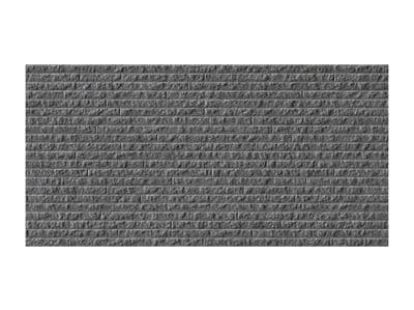
Ceramic Wall Tile 30 x 60 cm (Roller Charcoal, Grey)
Size: 30 x 60 cm Per package: 5 tiles Color: Grey Material: Ceramic
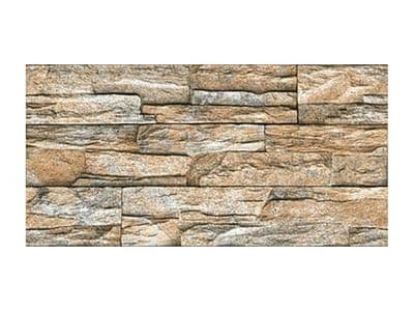
Ceramic Wall Tile 30 x 60 cm (Zircon, Brown)
Size: 30 x 60 cm Per package: 5 tiles Color: Brown Material: Ceramic
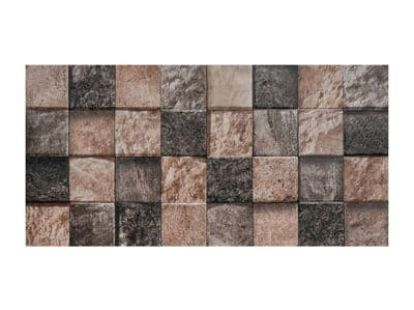
Ceramic Wall Tile 30 x 60 cm (Cutting Stone, Brown)
Size: 30 x 60 cm Per package: 5 tiles Color: Brown Material: Ceramic
Ceramic Wall Tile 30 x 60 cm (Marmara Lace, White)
Size: 30 x 60 cm Per package: 5 tiles Color: White Material: Ceramic
Ceramic Wall Tile 30 x 60 cm (Helen, White)
Size: 30 x 60 cm Per package: 5 tiles Color: White Material: Ceramic
Preparing the apartment for renovation: three starting scenarios
A new apartment in Dubai is typically handed over in one of three conditions. Shell and core — bare walls, ceiling, and floor without any finishes, often without even internal partitions. This is typical for commercial spaces and some residential towers in the premium segment. The owner gets absolute freedom in layout, but fit-out costs start from one hundred fifty thousand dirhams for a standard two-bedroom apartment.
Semi-fitted — an intermediate option where partitions, doors, basic plumbing, and electricals are installed, but final finishes on walls, ceilings, and floors are absent. This is the most common option for mass-market projects by Emaar and DAMAC. The owner saves on rough works but gains freedom in choosing final materials. The renovation budget for such apartments starts from fifty to seventy thousand dirhams.
Fully fitted — an apartment with complete finishes, including flooring, painted walls, built-in wardrobes, and a basic kitchen. Popular among investors planning immediate rental. However, developer fully fitted often means entry-level materials. Russian, Kazakh, and Ukrainian owners, accustomed to high finishing standards in new builds in their home countries, are usually dissatisfied with the developer's quality and carry out a complete redo, which costs more than working with a semi-fitted unit.
Timing the start of renovation: risk mitigation strategy
A critical question new owners face is when to start renovation. Starting work immediately before all defects from the snag list have been rectified is risky. If the developer damages your already completed renovation while fixing defects, they may refuse responsibility, claiming they cannot determine whether the problem arose before or after your work.
The optimal strategy for Western investors not planning personal occupancy is to wait for the complete rectification of all items on the snag list and to receive a defect resolution report from the developer confirming completion of the work. Then conduct a re-inspection and only after that begin your own renovation. This adds four to eight weeks to the timeline but protects against disputes with the developer regarding warranty obligations.
An alternative approach, popular among Asian families planning quick occupancy, is parallel execution of snag work and your own renovation in different zones of the apartment. The developer fixes defects in the bathrooms and on the balcony, while the owner carries out renovation in the bedrooms and living room. This requires careful coordination and a written demarcation of areas of responsibility, but saves time. The risk is possible damage to the fresh renovation by the developer's workers.
Financial planning: hidden handover costs
Taking possession of an apartment in Dubai entails significant one-time expenses that many overseas buyers underestimate when budgeting. The first category — government fees. The Dubai Land Department charges four percent of the property value as a DLD fee upon final registration of the Title Deed. For an apartment worth one million dirhams, this is forty thousand dirhams.
The second category — service charges. Most developers require prepayment of the annual service charge for the first year at handover. The amount varies from eight to twenty-five dirhams per square foot depending on the class of the complex and included amenities. For an apartment of one thousand square feet, this is between eight and twenty-five thousand dirhams.
The third category — utility deposits. DEWA requires a deposit of two thousand dirhams for apartments and four thousand for villas plus reconnection charges. If the complex uses district cooling from Empower or Emicool, an additional deposit of two to three thousand dirhams plus a registration fee is added. Chiller-free properties, where air conditioning is paid directly to DEWA as part of the electricity bill, save owners these additional two to three thousand dirhams at handover and reduce ongoing costs by twenty to thirty percent.
The fourth category — documents and permits. A move-in permit in managed communities like Emirates Living or Dubai Hills Estate requires a separate permit and a deposit of five to ten thousand dirhams, refundable after the move is completed with no damage to common areas. European owners are often surprised by the need to pay for a permit to move into their own apartment, but this is standard practice in premium complexes.
In total, the one-time costs for handover and related procedures amount to five to eight percent of the apartment's value. For an apartment worth one million dirhams, this is fifty to eighty thousand dirhams on top of the base price and renovation budget. Indian and Pakistani investors buying multiple apartments for rental purposes often plan a separate reserve fund to cover these handover costs across their entire portfolio.
Choosing between immediate renovation and gradual improvement
The renovation strategy after handover depends on the ownership purpose. For owner-occupiers from Arab families planning long-term residence, a large-scale renovation costing one hundred fifty to three hundred thousand dirhams with high-quality materials and custom-made furniture makes sense. The payback period is not critical; comfort and compliance with family requirements and cultural preferences matter most.
For buy-to-let investors from Europe and Asia, the priority is quick entry into the rental market with minimal investment. A cosmetic refresh costing twenty to thirty thousand dirhams — painting, replacing fixtures, professional cleaning — allows the apartment to be rented out three to four weeks after handover and to start generating rental income. A full renovation is postponed to the period between tenants or after two to three years, when sufficient rental revenue has accumulated.
For flippers and short-term investors planning to resell in six to twelve months, renovation focuses on elements that maximize market value. A kitchen upgrade with quality appliances, bathroom refresh with modern fixtures, a neutral color scheme for walls, and high-quality flooring give the best return on investment. A budget of seventy to one hundred twenty thousand dirhams can add ten to fifteen percent to the resale value.
Documentary preparation for renovation: obtaining the NOC
Regardless of the scale of planned renovation, the first mandatory step after handover is obtaining a No Objection Certificate (NOC) from the complex's management company or directly from the developer if community management has not yet been transferred to a third party. Without an NOC, starting work is illegal and will lead to fines, an order to stop the renovation, and a possible ban on selling the apartment until the violations are rectified.
For apartments in Emaar complexes, the NOC process goes through the Emaar Community Management Portal at emiratesliving.ae. The owner needs to register using the Title Deed details and submit an application in the Home Modifications section. The process takes from three to fourteen days depending on the type of work. For DAMAC properties, a similar process goes through the DAMAC portal; timelines are usually shorter — seven to ten days.
The NOC application requires providing contractor details — trade license, insurance, and contact information of the contractor, who must be registered in the ecmpermits.ae system to obtain an access permit to the complex's premises. European contractors sometimes face registration delays due to a lack of understanding of document requirements, so choosing a contractor with experience working in that particular complex speeds up the process.
First steps after receiving the keys: a practical timeline
A realistic timeline from receiving the completion notice to the actual start of renovation looks like this. Days one to two — receive the notice, study the documents, book a snagging inspection for days seven to ten. Days seven to ten — conduct a professional snagging inspection, receive a snag report with photos and a detailed list. Days eleven to fifteen — submit the snag list to the developer through official channels, schedule a meeting to discuss the timing for rectifying defects.
Days sixteen to twenty — agree on the timeline with the developer, receive a written commitment on snag work deadlines, begin the process of submitting an NOC application for the future renovation. Days twenty-one to thirty — complete all handover formalities, receive the Title Deed, register utilities with DEWA. In parallel, snag work by the developer is ongoing.
Days thirty-one to forty-five — re-inspection after the snag work is completed, receive the defect resolution report, final confirmation that all issues have been rectified. Days forty-six to sixty — receive NOC approval, finalize the contract with the contractor, begin actual renovation work. For a simple cosmetic renovation, add three to four weeks; for a full renovation, eight to twelve weeks.
In total, from the moment of receiving the completion notice to the completion of renovation and readiness for occupancy or rental, a minimum of three months passes for a quick cosmetic refresh, and five to six months for a full renovation. Russian-speaking investors, planning timelines based on experience in their home countries, often underestimate the duration of Dubai-specific procedures and face delays in their plans for monetizing the apartment.
Understanding the full cycle from handover to apartment readiness allows for proper cash flow planning, especially for investors with multiple properties in different complexes at different stages of completion. Skilled management of this process is the difference between a smooth transition to the rental market and months of holding costs without income from the property.