What is Apartment Renovation in Dubai and Why is It Needed?
Apartment renovation in Dubai the UAE is a set of works to bring your home in line with your comfort and style standards. Unlike other countries where renovation often starts from concrete walls, in Dubai you will encounter concepts like handover (property delivery from the developer) and fit-out (interior finishing). Most new developments are handed over either with ready finishing (handover standard) or in shell & core condition — with raw walls, floor screed, and connected utilities.
The main goal of renovation in Dubai is to create a space that works for you. This is especially important in the hot climate, where quality insulation, properly installed air conditioning (AC ducting), and smart layout directly impact cooling bills. Investing in renovation is an investment in your comfort and future property value: a quality renovated apartment sells for 20-30% more.
Who Will Find This Information Useful?
Our guide is created for all categories of property owners and tenants in the UAE. Investors planning to rent out their apartments will find ways to optimize the budget to maximize ROI (return on investment) when leasing. Owners of villas in areas like Arabian Ranches, The Springs, or Emirates Hills will learn where they can save on renovation and what should only be done by professionals.
Tenants who have obtained permission from the landlord for cosmetic renovation will discover how to refresh their interior without unnecessary expenses. Retirees living in the UAE year-round will appreciate tips on creating comfortable and safe housing. Even if you're just planning to buy an apartment in a new Dubai development, our article will help you understand which finishing option to choose: ready from the developer or shell & core with subsequent renovation.
When Can You Save on Renovation in Dubai?
Saving on renovation starts with correctly assessing the initial condition of your property. A smart approach allows you to reduce expenses without compromising quality. The main secret is understanding where you can do the work yourself and where it's better to hire licensed specialists.
Before starting work, be sure to get several quotations from fit-out companies. In Dubai, it's common practice to request tenders from 3-4 contractors. Free engineer site visit for measurements is standard. Compare not only the final cost but also what's included in the estimate: are materials included, waste removal, permit acquisition? Often a more comprehensive offer includes full project management, which ultimately saves your nerves and time.
New Development Apartment: With or Without Finishing?
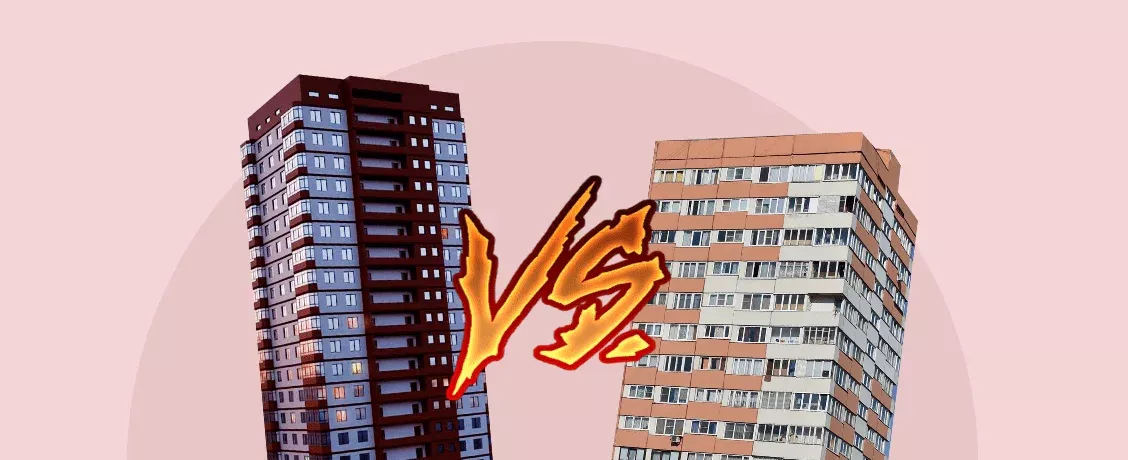
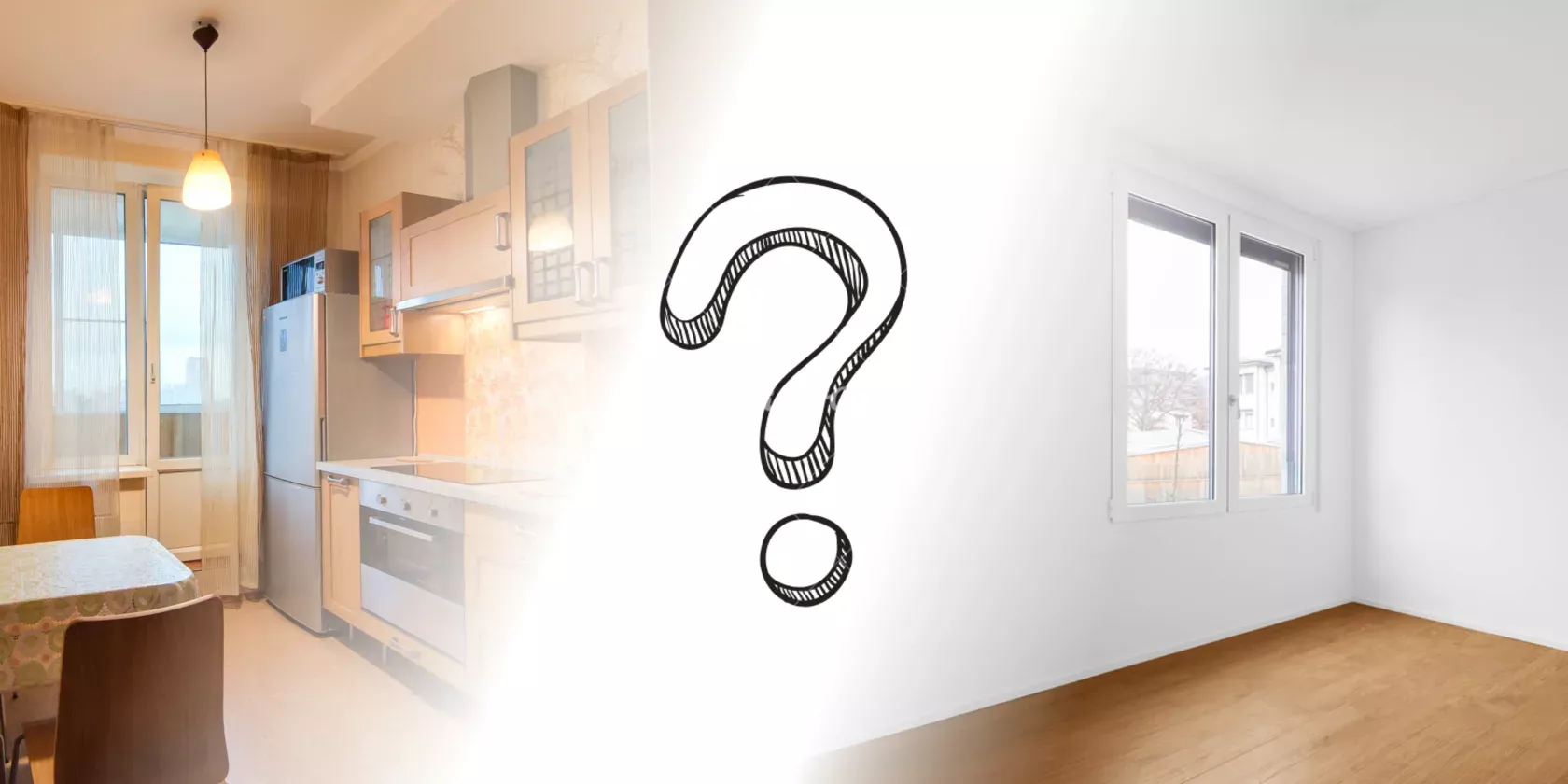
The choice between an apartment with ready finishing (handover standard) and shell & core is the first decision point that sets your budget for years to come. Apartments with developer finishing in projects by major developers cost more at purchase, but this amount is distributed over your mortgage. You don't need to spend on floor screed, wall plastering, electrical wiring, and plumbing. Basic work is already done and complies with regulations.
However, standard finishing often means budget materials: simple tiles, basic plumbing, white walls. If you want a unique interior, be prepared for demolition and rework. For example, in Dubai Marina apartments, standard tiles are often replaced with premium ones, and plumbing with more designer models.
Shell & core apartments will be cheaper at the purchase stage but will require full fit-out. You'll need to create everything from scratch: from gypsum board partitions to AC ducting. The advantage of this approach is that you get exactly the home you want from day one.
Relatively New Secondary Market: When Can You Avoid Full Renovation?
Secondary housing in Dubai (ready property) is an excellent option for saving if previous owners did quality renovations. Areas like The Springs, Meadows, or Jumeirah offer many villas and townhouses with good finishing that has lasted several years. In such cases, you can manage with cosmetic renovation: wall painting, replacing textiles, and updating furniture.
Pay special attention to engineering systems. Even in relatively new homes, air conditioners (AC units) may require servicing or replacement. Electrical wiring should meet current standards — if the panel is old, it's better to replace it. Plumbing from well-known brands lasts long, but connections and pipes are worth checking.
Don't start renovation if the apartment doesn't urgently need it. Sometimes just deep cleaning and replacing a few light fixtures is enough to make the space feel new. This is especially relevant for tenants who can do light cosmetic renovation with the landlord's permission.
Apartments in Older Areas: Renovation Features
By "older areas" in Dubai, we mean parts of Deira, Bur Dubai, as well as villas in Umm Suqeim and Jumeirah built several decades ago. Here, renovation often becomes major, requiring replacement of all utilities. In older buildings, wiring may not withstand modern loads (powerful ACs, ovens), and water supply pipes may show wear.
Such apartments and villas often require: complete electrical replacement, plumbing replacement, upgrading or replacing air conditioning. The good news: walls in old Jumeirah villas are often thicker and retain temperature better than modern frame constructions. If load-bearing structures are in order, you have a reliable foundation for a new interior.
How to Save on Renovation: Practical Tips for the UAE
Do Some Work Yourself. In Dubai, this is possible but with caveats. You can remove old wallpaper, dismantle unnecessary elements, and take out small waste. Painting walls is also a doable weekend task if you buy quality paint and rollers. However, any work with electricity, plumbing, and air conditioning is best left to licensed specialists.
Save on a Designer, But Not on Ideas. Ready-made solutions can be found in furniture showrooms or on websites. Many studios offer paid 3D visualizations, which is significantly cheaper than a full design project. Students from specialized universities sometimes take orders for their portfolios at minimal prices.
Choose Materials Wisely. Locally produced tiles are just as good as imported ones but cost less. Paints manufactured in the UAE are perfectly adapted to the local climate. Keep an eye on promotions at major retail chains — these are great times to purchase appliances, lighting, and furniture.
Choose Your Contractor Correctly. Look for companies with licenses, portfolios, and good reviews. The optimal option is a main contractor who handles project management, material procurement (often at wholesale prices), and quality control.
What Not to Skimp On During Renovation in Dubai
Some things require strict adherence to rules. Permits. Any layout changes affecting load-bearing walls or the building facade require approval from relevant authorities.
Electrical Work. Panel connection or replacement, wiring changes — only by certified contractors who know local regulations.
Air Conditioning (AC). In a hot climate, poor AC installation means high electricity bills and constant breakdowns. Buy equipment from trusted brands and trust installation to professionals.
Waterproofing. In bathrooms, terraces, and balconies, quality waterproofing is critical to prevent leaks.
Conclusion
Renovation in Dubai is an exciting process, but it requires understanding local specifics. A smart approach to planning, material selection, and contractors will allow you to create your dream home without unnecessary expenses. Remember: quality renovation is an investment in your comfort and property value that pays off when selling or renting. Start with a clear plan, request multiple quotes, and don't be afraid to ask professionals questions.