Hotel Renovation in Dubai: Profitability, Ratings, Longevity
The Economics of Hospitality and Room Condition
In Dubai's hotel business, there is a direct correlation: ratings on Booking.com or Google Maps affect occupancy, and occupancy determines profit. Guests at five-star hotels in Downtown expect impeccable condition of rooms, lobbies, and restaurants. Tourists choosing budget options in Bur Dubai may forgive the lack of a sea view, but not dirty walls or a broken air conditioner. Hotel renovation is not an expense but an investment in reputation and rates. A qualitatively updated room allows increasing the average nightly rate by 15–20 percent without losing demand. In the luxury segment, where hotels on Palm Jumeirah and in Emirates Hills are concentrated, these figures are even higher.
Technical Audit and Hidden Risks
An engineer's site visit begins with studying hotel occupancy and planning work schedules. For properties in Dubai Marina with year-round 90 percent occupancy, shutting down the room inventory even for a week results in million-dirham losses. The specialist arrives on the day of inquiry to measure noise levels from engineering equipment, check ventilation ducts for blockages, and assess the condition of plumbing units. How quickly does the crew mobilize after estimate approval? Within three days maximum, but with a mandatory condition: work proceeds in stages to avoid closing more than ten percent of rooms simultaneously. The contract specifies not only deadlines but also penalties for schedule delays — the hotel business cannot tolerate downtime.
Basic Package Contents
The minimum scope of work for a hotel includes engineering system diagnostics, dismantling worn coatings, enhancing sound insulation between rooms, and replacing sanitary ware. In corridors and lobbies where traffic is maximal, floors are covered with porcelain stoneware of PEI 5 abrasion class. In rooms, commercial linoleum or engineered wood with a protective layer of at least 0.5 millimeters is used. Walls are treated with washable paints containing anti-mold additives — Dubai's humidity demands special attention to this. Electrical wiring is reconfigured considering powerful air conditioners and mini-bar operation, with cable cross-section calculated at 30 percent reserve.
Material Selection for High Loads
Carpet in corridors is installed only as tiles, not roll material. This allows replacing damaged sections rather than re-laying entirely. Linoleum seams in rooms are hot-air welded to prevent water from penetrating beneath during cleaning. For shower cabins, large-format porcelain stoneware is installed on reinforced adhesive with void monitoring — not a single tile should fall off under a guest's feet. In restaurants, material selection considers not only aesthetics but also reaction to spilled oil or wine. Porous structure is excluded, only glazed surfaces are used.
Engineering Systems and Energy Efficiency
Hotels consume enormous volumes of water and electricity. Renovation aims not only to update finishes but also to reduce operational costs. Faucets with aerators and economical cartridges are installed. The ventilation system is configured so that vacant rooms maintain minimal temperature conditions, while before check-in, automation brings the climate to comfortable values. In Downtown and Dubai Marina hotels, smart room management systems are popular: the guest enters, lights turn on, curtains open, air conditioning switches to active mode. All this automation is laid in during rough electrical wiring.
Sound Insulation as Competitive Advantage
Silence in the room is one of the main factors affecting hotel ratings. In older buildings in Bur Dubai, interior partitions often fail to meet modern requirements. The solution is an additional layer of acoustic plasterboard on vibration-isolated mounts with high-density mineral wool insulation. Entrance doors are equipped with triple-seal gaskets and automatic drop seals. Ventilation ducts passing through rooms are wrapped with sound-absorbing materials to prevent noise from adjacent bathrooms penetrating bedrooms. In premium properties on Palm Jumeirah, these requirements are doubled.
Cost Per Square Meter in 2026
According to Dubai construction market tender data, average hotel renovation prices range from 2,200 to 7,000 dirhams per meter. The lower range is typical for cosmetic updates of room inventory in three-star Bur Dubai hotels, preserving layouts and replacing only finishing materials. The upper range is achieved in design projects for Jumeirah boutique hotels, using natural stone, exclusive furniture, and complex engineering solutions. Major renovation with complete utility replacement in the mid-range segment costs approximately 3,800–4,200 dirhams. Contingency allowances are included in estimates — in older buildings, problems with drainage or electrical wiring often emerge that cannot be detected before structural opening.
District Specifics and Logistics
In Downtown, hotels are integrated into multi-functional complexes with strict material delivery and night work regulations. Freight elevators are booked a week in advance, noisy work is permitted only during certain hours. In Dubai Marina, high humidity creates problems, requiring special primers and paints with extended drying times. On Palm Jumeirah, island access is regulated, every material vehicle is arranged in advance. For properties in Emirates Hills, facade appearance restrictions apply — any changes must be approved by the management company.
Hotel Categories and Intervention Depth
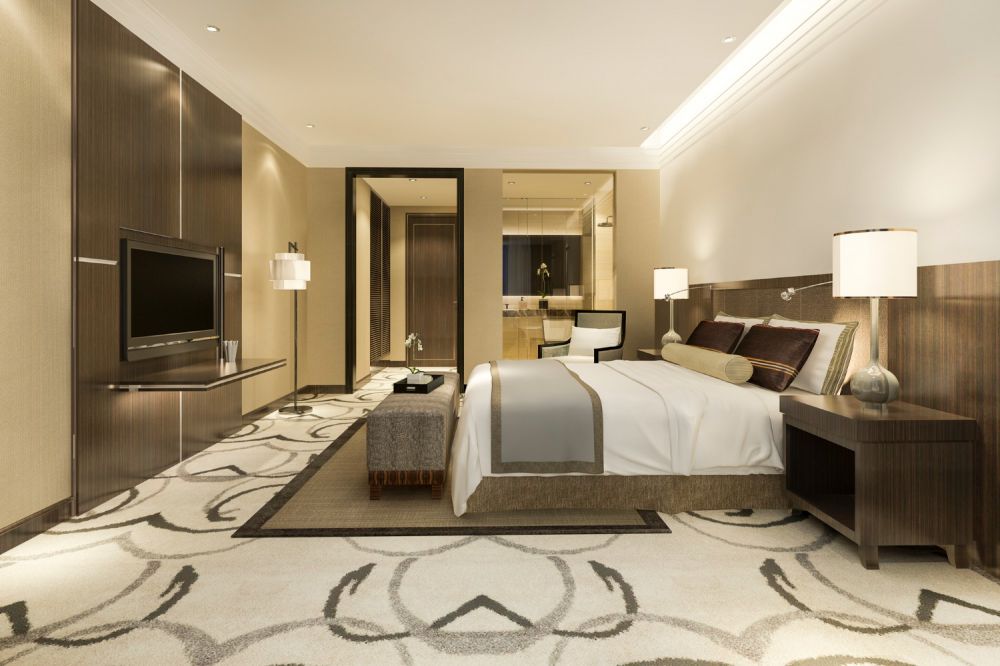
Hostels and budget hotels in Bur Dubai require rapid cosmetic renovation focusing on wear resistance and ease of cleaning. Four-star Jumeirah hotels emphasize design and tactile sensations: pleasant-to-touch fabrics, quality bed linen, proper lighting. Five-star properties in Downtown and on Palm order complete reconstruction with suite reconfiguration, jacuzzi installation, and steam cabins in bathrooms. Separate material and equipment specifications are developed for each category.
Warranty Obligations
After project handover, the contract does not end. During the warranty period, ranging from three to five years, the contractor promptly addresses any defects arising during operation. In high-traffic hotels, wear occurs faster, so scheduled inspections are conducted every three months during the first year. If the hotel operates year-round, visit schedules are arranged to avoid disturbing guests. Most warranty claims involve door hardware adjustment and shower waterproofing — these components experience maximum loads.