Metal Domes in Dubai: Design, Fabrication, Installation
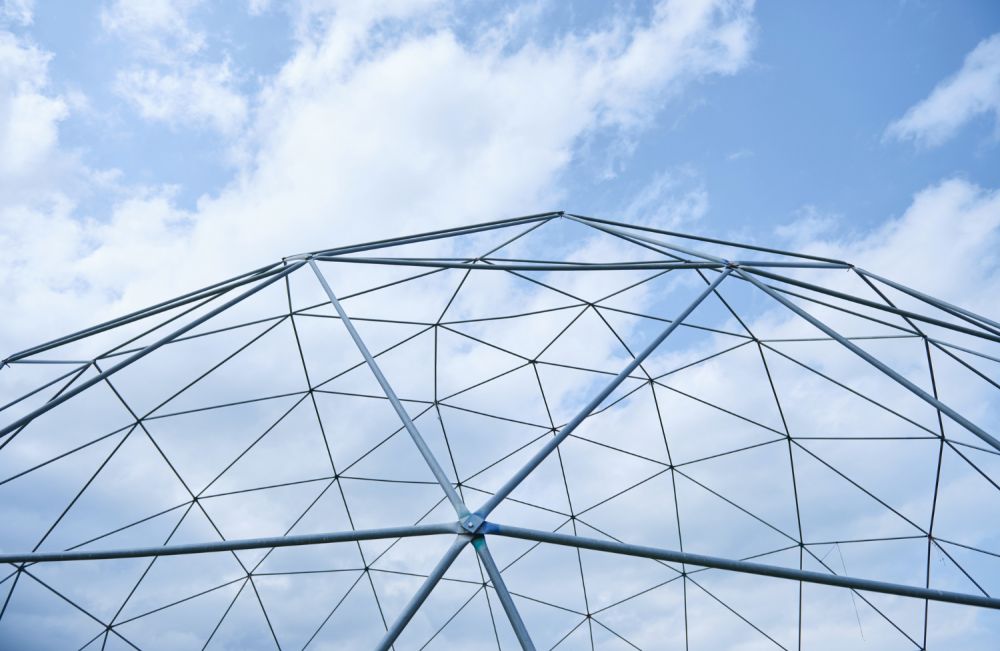
A metal dome is a spatial structure of arched shape that works as a single unit. Unlike flat slabs or trusses, a dome distributes the load across its entire surface. In UAE construction, metal domes are used not only for religious buildings but also as an architectural element in shopping and entertainment centres, office buildings, exhibition pavilions, airports and private residences. A dome can be hemispherical, elliptical, ribbed or grid. The main types of metal domes on the Dubai market are all-welded metal domes, prefabricated domes made from tubular trusses and combined domes with translucent infill made from aluminium and steel.
What types of domes exist by shape and size
Domes differ by geometry and assembly method. A hemispherical dome has the shape of half a sphere and is most often used above central atriums. A pointed dome is higher than a hemispherical one and provides more internal vertical space. An elliptical dome is elongated along one axis and suits buildings with a rectangular floor plan. A ribbed dome consists of radial beams and ring connections — this is the stiffest scheme. A grid dome is assembled from many identical elements in the shape of triangles or hexagons and is lighter than other types. Dome diameter can range from three to fifty metres. Height ranges from one and a half to twenty five metres. The weight of the structure depends on the type and section of the profile. For a dome with a diameter of ten metres made from a tubular truss, the weight will be approximately one and a half to two tonnes. For a dome with a diameter of twenty metres made from a ribbed frame, the weight ranges from eight to twelve tonnes. The exact weight is always calculated from the drawing before production begins.
What domes are made from in Dubai
For the dome frame, hot rolled structural steel in tubular or open profile is used. Round or square section tubes provide good performance in compression and bending. I-beams and channels are used for the lower support ring and stiffening ribs. Automatic or manual welding is used to connect elements depending on the complexity of the joint. For domes with glazing or aluminium panels, the frame is made from steel followed by primer coating. If the dome operates outdoors under direct sunlight and in high humidity conditions, the steel receives anti corrosion treatment: two layer primer or hot dip galvanising. The choice of steel specification is always agreed with the design engineer and depends on three parameters: the calculated wind load in Dubai, the self weight of the dome and the fire safety requirements of the building.
How domes are designed to order
Dome design begins with the building geometry. Our engineers request the floor plan, the room height and the desired opening diameter for the dome. Then the optimal shape is calculated: a hemisphere for uniform load distribution or a pointed shape to increase the centre height. At the same time, the section of each element is calculated. The circular support ring is always made heavier than the radial ribs because it takes the thrust from the entire dome. For spans up to fifteen metres, a grid scheme made from small section tubes is used. For spans from fifteen to thirty metres, a ribbed scheme with two belts of connections is used. For spans over thirty metres, a combined scheme with a central stiffening ring is used. All calculations are performed for real UAE loads: wind pressure, seismic activity and temperature variations.
How domes are manufactured at the workshop
Fabrication begins with cutting tubes and profiles to the dimensions shown on the drawing. Cutting is performed on band saws and CNC disc cutting machines. The length tolerance for each element is plus or minus one millimetre. Then the tube ends are milled for welding or bolted connections if the dome is assembled on flanges. Next, the elements are bent to the required radius. A CNC pipe bending machine is used for this. Each tube is checked against a template after bending. The deviation from the radius must not exceed two millimetres per metre of length. After bending, the joints are assembled. The most complex joints are where radial ribs intersect with ring connections. At each such joint, between four and eight elements come together. Welding is performed in a carbon dioxide atmosphere. Every weld undergoes visual inspection and selective ultrasonic inspection for joints under high load. Before dispatch, the finished dome is assembled on the workshop jig in its final position. All connections, gaps and overall geometry are checked.
Who these structures suit
Developers of shopping centres who want to create a central atrium with a glass dome. Management companies of office buildings where the dome serves as an architectural landmark in the lobby. Architectural firms designing private residences with a glazed roof. Contractors building exhibition pavilions or indoor sports facilities. If you have a sketch, a photo of a similar dome or simply the desired diameter and height, we provide a preliminary concept drawing and a commercial proposal.
What to know before ordering
Minimum order is one dome. Design time starts from three working days for a dome up to ten metres in diameter and from seven days for a larger diameter dome. Fabrication time starts from fifteen working days from drawing approval. Installation on site takes from two to ten days depending on access difficulty and height. Delivery across Dubai and the Northern Emirates is included in the price when ordering a dome with a diameter of ten metres or more. For domes smaller than ten metres, delivery is paid separately or collection from the workshop is possible.
How we control quality
Each dome comes with a full document package: structural load calculation, steel mill certificates, weld inspection reports and a workshop assembly report. We record the actual dimensions of the dome after fabrication and compare them with the drawing. If the deviation exceeds the allowable tolerance, the structure is not dispatched until corrected. We also take photo records of all joints before painting so the client can see weld quality and fit before the dome is primed.