
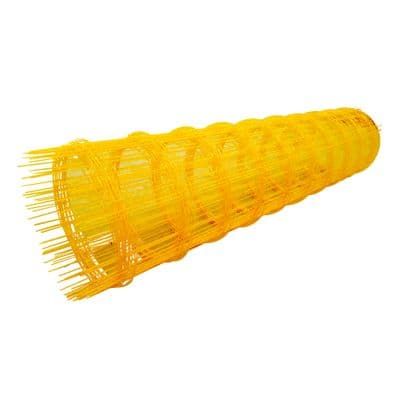
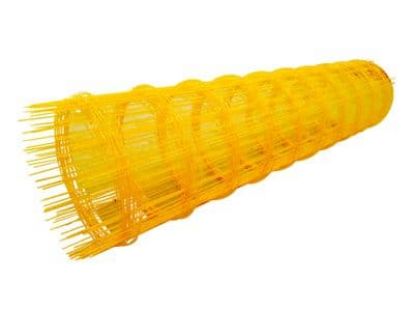
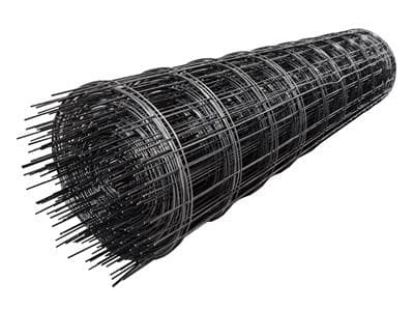
This composite fiberglass mesh with 2.8 mm diameter and 20 x 20 cm openings, at 50 meters in length, is designed for large-scale work where you don't want to deal with overlaps. Instead of steel, it uses fiberglass in epoxy resin, twisted into a ribbed bar that holds securely in concrete. The material does not rust, resists salt water, acids, and alkalis, weighs significantly less than metal, yet performs just as well under tension. A single sheet covers 100 square meters, allowing you to cover large areas without unnecessary overlaps and connections. The twisted surface provides reliable bonding with concrete.
The mesh is intended for large-scale projects in aggressive environments where steel quickly fails. It is an ideal solution for marine and coastal structures: breakwaters, piers, docks, seawalls, as well as for erosion control. It is used in swimming pools, wastewater treatment plants, water and chemical tanks, and chemical industrial facilities. In civil construction, the mesh is suitable for foundation slabs on wet and marshy ground, road pavements in areas with high groundwater levels, industrial floors in workshops with aggressive environments, and parking garages with heavy use of deicing salts.
The main advantages are corrosion resistance and minimal weight. Fiberglass leaves no rust stains and does not deteriorate from within. It does not conduct electricity, creates no radio interference, and is so lightweight that one person can roll out and lay the mesh without assistance. The 50-meter roll length allows you to work in long strips, reducing the number of overlaps. If the project is near water or in a chemically aggressive environment — composite mesh will last for decades, while steel would require replacement within a few years. 100 square meters per roll represents serious time savings on large construction sites.