
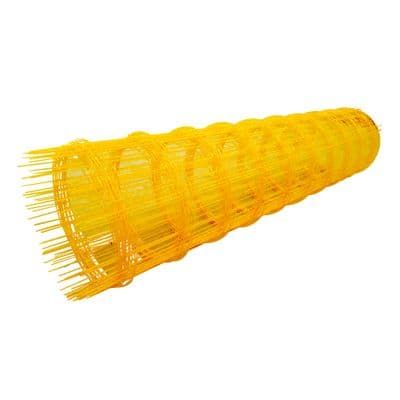
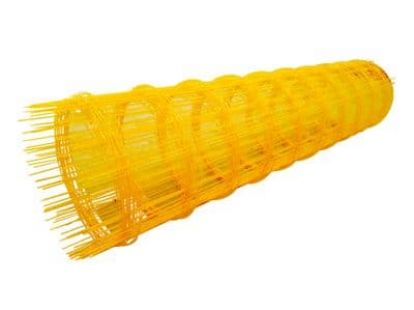
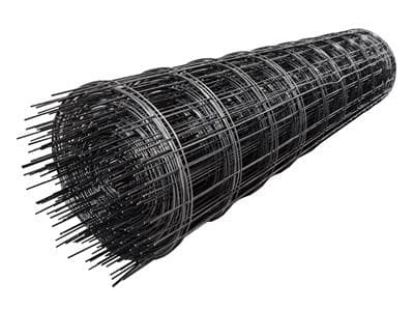
This composite mesh with a 6.0 mm bar and 50-meter length is the maximum configuration for the largest and most critical projects in aggressive environments. Six millimeters of fiberglass, twisted into a ribbed profile, provide strength comparable to 8-10 mm steel rebar — but without rust and with a weight difference of 5-7 times. Instead of metal, it uses fiberglass in epoxy resin: it doesn't rot, doesn't oxidize, fears neither salt water, nor acids, nor alkalis. A single sheet covers 100 square meters, allowing you to reinforce vast areas with minimal overlaps. The twisted surface provides reliable bonding with concrete.
The mesh is designed for the largest infrastructure projects in conditions where steel either fails quickly or is too heavy. It is an ideal solution for port and coastal structures: breakwaters, piers, docks, seawalls, coastal protection dams. It is used on offshore oil and gas platforms, in water parks and Olympic-sized swimming pools, in metropolitan wastewater treatment plants, and in industrial-scale water and chemical tanks. In civil and industrial construction, the mesh is suitable for foundations on weak, waterlogged, and saline soils, for road slabs on highways in coastal and swampy zones, for floors in chemical plants and reagent warehouses, for seismic-resistant structures, and for facilities in permafrost zones.
The main advantages are absolute corrosion resistance and near-weightlessness compared to steel. Fiberglass leaves no rust stains, does not deteriorate from within, does not conduct electricity, and creates no radio interference. One person can lay 100 square meters of this mesh — a steel equivalent would require a crane and a crew. The 6.0 mm diameter provides a safety margin for the most serious loads. If the project is at sea, in a swamp, in a chemical plant, or in a permafrost zone — this mesh will outlast steel by many times and will not require replacement. 100 square meters per roll means minimal overlaps and maximum speed on national-scale construction sites.