Steel Hangars in Dubai: Design, Fabrication, Construction
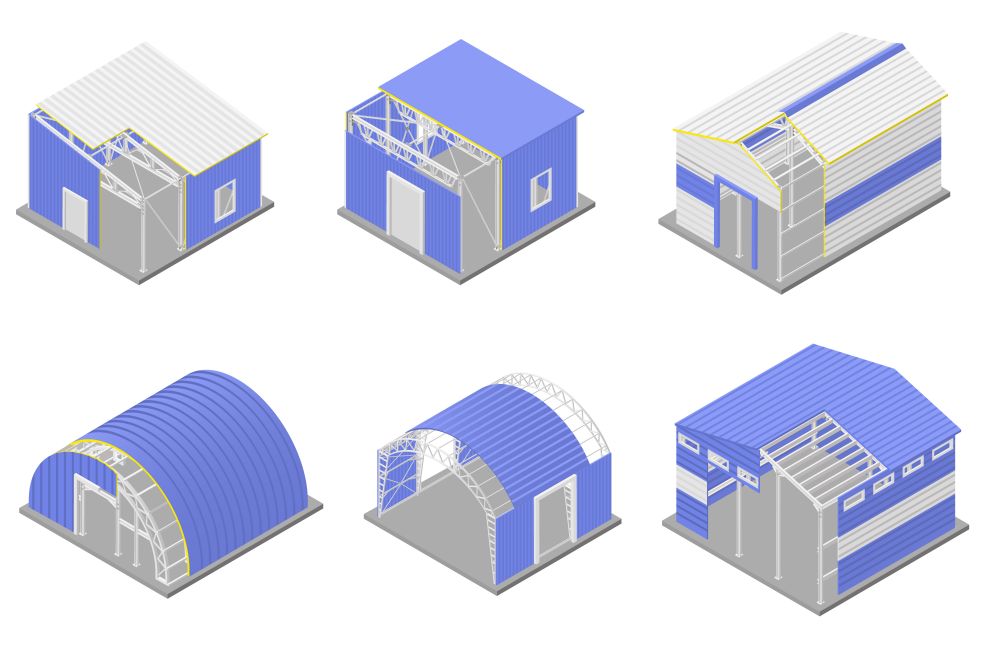
Our company has been building steel hangars in Dubai and the neighbouring emirates for several years. We offer rectangular, gabled, arched and polygonal structures. Any size, with or without insulation, for any customer requirement. We guarantee quality at every stage, from documentation development to final handover. The main advantage of our approach is speed. A building with an area of one thousand square metres is completed in just a few months, and the budget for such a project is noticeably lower than for a brick or concrete equivalent.
Why steel hangars are a smart choice
Construction can take place all year round. Even during summer heat in the UAE, we work on an adjusted schedule so as not to lose time. A steel hangar weighs much less than a concrete building. The foundation is simpler and cheaper, although we never simplify its calculation, as mistakes here are unacceptable. The service life of a properly designed and assembled hangar reaches half a century. Such structures are built on any type of soil, in seismic zones and regions with extreme temperatures. We always treat all steel components with an anti-corrosion coating. For Dubai with its high coastal humidity, this is a mandatory requirement. An insulated hangar maintains a stable internal temperature and does not require huge spending on air conditioning. To enhance thermal insulation, we use sandwich panels, modern polymer insulation and high grade galvanised steel.
Which hangars suit which purposes
An uninsulated cold hangar is a good choice for storing construction and agricultural machinery, equipment and aircraft. Such buildings are most often used as warehouses and utility structures where strict climate control is not needed.
Sandwich panel hangars cover many more tasks. An insulated building can be quickly connected to electricity, water, ventilation and air conditioning. Inside, it is easy to create comfortable conditions for people or the right environment for storing temperature sensitive goods.
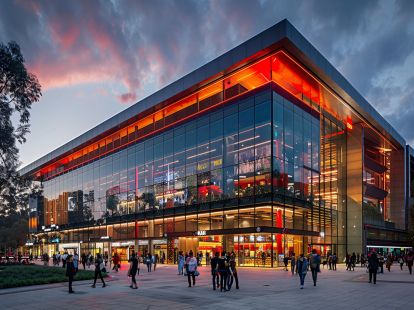
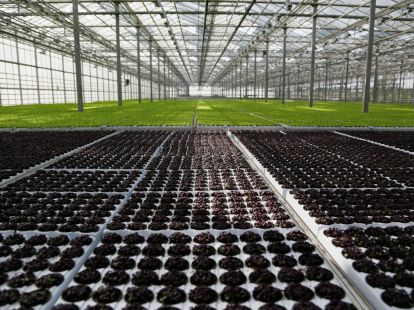
From a warm hangar based on sandwich panels, we build garages, vehicle workshops and car washes. Medical centres, either temporary or permanent. Cafes, restaurants and canteens. Warehouses of all types, including those requiring a fixed temperature. Livestock farms and poultry houses. Grain stores and vegetable stores. Sports halls and ice rinks. Shopping centres and exhibition halls. Dormitories for rotational shift workers at remote sites. Car dealerships. Of course, each hangar is equipped according to its specific purpose.
What determines the price of a hangar
We do not offer a fixed price list because every project is unique. The final cost depends on several factors. The first is insulation. A warm hangar is noticeably more expensive than a cold one. The second is size. The larger the building, the lower the price per square metre due to economies of scale. The third is site conditions. The price is affected by site geology, the need to reinforce the frame for heavy equipment and the distance from our factory in Dubai to the site.
How we build hangars
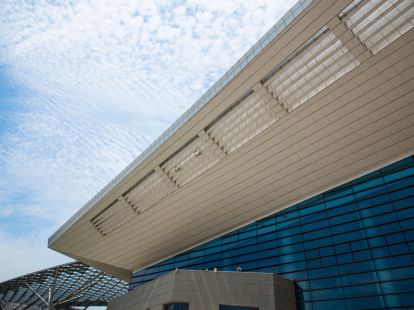
Any hangar begins with a foundation. We select the foundation type based on the specific weight of the structure and the soil properties. The frame is made from steel beams, columns and bracing, which are light but very strong and durable. The walls and roof are clad with sandwich panels. They retain heat and give the building a modern appearance. The main advantage of this technology is speed. We deliver a project many times faster than if we were building from concrete or brick.
Stages of work
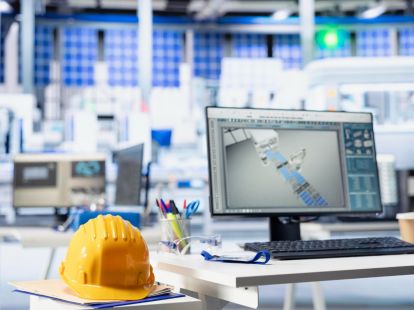
First, we meet with the client, discuss their requirements, inspect the site and carry out a land survey. The result is a technical specification. Then we move to design. We prepare a full set of documents, draw up a cost estimate and always agree everything with the client. After that, we carry out earthworks and pour the foundation. We allow the necessary time for the concrete to gain strength. Then we assemble the frame from finished sections that were prefabricated at our factory. We clad the walls and roof with sandwich panels. We carry out waterproofing. We connect utility services. We install windows and doors. We finish the floor and complete the final fit out. At every stage, our engineer monitors quality. We send the client photographs of concealed work and acceptance inspection reports.